Stroke Treatment in Mohali: Physiotherapy & Rehabilitation for Better Recovery
A stroke can change a person’s movement, balance, strength, speech, and ability to perform everyday activities within a very short time. Recovery does not end after emergency medical treatment. For many stroke survivors, the next important step is structured rehabilitation to help regain movement, improve strength, develop better balance, and become more independent in daily life.
If you are searching for Stroke Treatment in Mohali, it is important to understand that stroke recovery is usually a long-term process and may require a combination of medical care, physiotherapy, occupational therapy, speech therapy, exercise, and family support.
Brar Physio Care provides physiotherapy and rehabilitation support for stroke and paralysis patients in Mohali, Chandigarh, Kharar and nearby areas. The focus is on helping patients improve functional movement and work towards greater independence through an individualized rehabilitation program.
Quick Answer: Stroke treatment depends on the type and severity of the stroke. Emergency medical treatment is the first priority. After the patient is medically stable, rehabilitation and physiotherapy can help address weakness, stiffness, balance problems, walking difficulties and limitations in daily activities.
What Is a Stroke?
A stroke happens when blood flow to part of the brain is interrupted or when bleeding occurs inside or around the brain. Because the brain controls movement, sensation, coordination, speech and many other functions, a stroke can result in different physical and neurological problems.
Common effects may include:
- Weakness or paralysis on one side of the body
- Difficulty walking
- Poor balance and coordination
- Muscle stiffness or spasticity
- Reduced arm or hand movement
- Difficulty standing or transferring from bed to chair
- Problems with daily activities
- Changes in sensation
- Fatigue and reduced physical endurance
The exact effects vary from person to person. That is why stroke rehabilitation should not follow the same exercise plan for every patient.
What Is the Best Treatment for Stroke Recovery?
There is no single treatment that is best for every stroke survivor. Treatment depends on factors such as the type of stroke, area of the brain affected, severity of symptoms, age, medical condition, and current functional abilities.
After emergency treatment and medical stabilization, rehabilitation may include:
1. Physiotherapy
Physiotherapy plays an important role in addressing physical problems after stroke. A physiotherapist may work on:
- Muscle strength
- Joint mobility
- Balance
- Walking ability
- Coordination
- Postural control
- Transfers and bed mobility
- Functional movements
- Flexibility and muscle stiffness
- Upper and lower limb function
The aim is not simply to exercise the affected side. Therapy is generally designed around the patient’s functional goals.
2. Gait and Walking Training
Many stroke survivors have difficulty walking because of weakness, poor balance, altered muscle control or reduced coordination.
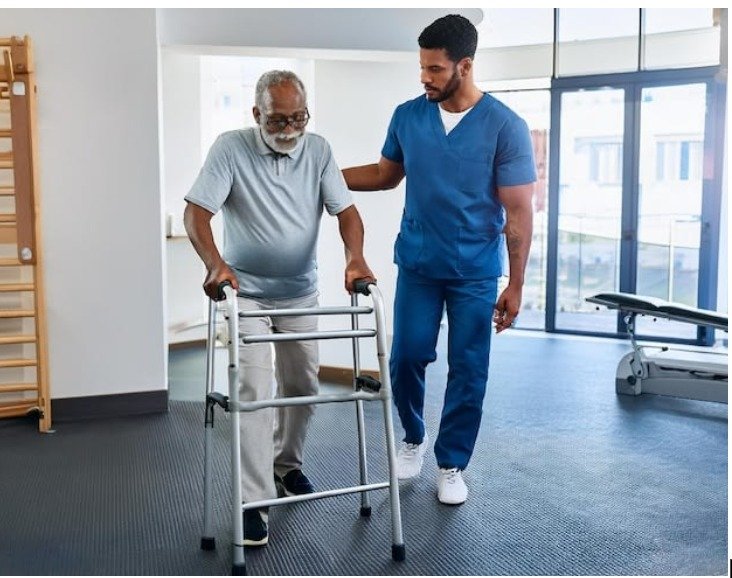
A rehabilitation program may include supported standing, weight-shifting activities, balance exercises, walking practice and progressive functional training according to the patient’s ability.
3. Balance and Coordination Training
Poor balance can increase the risk of falls. Physiotherapy may therefore include exercises designed to improve postural control, body awareness and coordination.
4. Strength and Mobility Exercises
Weakness after stroke can make simple activities such as sitting, standing, reaching or climbing stairs difficult.
A physiotherapist can gradually introduce appropriate strengthening and mobility exercises while considering the patient’s medical condition and functional capacity.
5. Home-Based Stroke Rehabilitation
Some patients have difficulty travelling to a clinic, especially during the early stages of recovery. In such situations, stroke physiotherapy at home can be a practical option.
Home-based rehabilitation may allow therapy to focus on real-life activities such as:
- Getting in and out of bed
- Sitting and standing
- Walking inside the home
- Using stairs safely
- Improving bathroom mobility
- Practising everyday movements
For families searching for a stroke and paralysis physiotherapist at home in Mohali, home rehabilitation can be considered when it is clinically appropriate.
Stroke Physiotherapy in Mohali: Why Early Rehabilitation Matters
Once a stroke patient is medically stable and cleared for rehabilitation, starting an appropriate rehabilitation program can be important.
Recovery may involve relearning movements and developing better control over affected muscles and body functions. Consistent rehabilitation can help patients practise functional activities repeatedly and progressively.
However, recovery speed is different for every person. Some patients may show noticeable improvement relatively early, while others require longer-term rehabilitation.
The goal should be safe and meaningful progress rather than unrealistic promises of a complete recovery within a fixed period.
Stroke Recovery Exercises: What May Be Included?
Stroke exercises should be selected according to the patient’s condition. Exercises that are suitable for one patient may not be suitable for another.
Depending on the assessment, a rehabilitation program may include:
- Sitting balance exercises
- Standing practice
- Weight-bearing exercises
- Range-of-motion exercises
- Strengthening exercises
- Coordination activities
- Walking practice
- Functional reaching
- Transfer training
- Postural exercises
- Home exercise programs
The intensity and difficulty should generally progress according to the patient’s response and abilities.
Do not start difficult stroke exercises without professional assessment, particularly if the patient has significant weakness, balance problems, heart-related issues, uncontrolled blood pressure, or other medical concerns.
Can Physiotherapy Help With Paralysis After Stroke?
Yes, physiotherapy can be an important part of rehabilitation for many people who develop weakness or paralysis after a stroke.
The purpose is to help the patient improve functional abilities rather than simply trying to make the affected limb move.
Depending on the patient’s condition, therapy may focus on:
- Improving voluntary movement
- Maintaining joint mobility
- Reducing complications related to immobility
- Improving sitting and standing balance
- Training walking
- Improving functional use of the affected limb
- Building physical endurance
- Increasing independence in daily activities
Progress depends on several factors, including the severity of the stroke, location of brain injury, overall health, rehabilitation consistency and individual response to treatment.
When Should You Start Stroke Rehabilitation?
Stroke rehabilitation should begin as soon as the treating medical team considers the patient medically stable and rehabilitation is appropriate.
The exact timing depends on the patient’s condition. Some patients may begin rehabilitation during hospitalization, while others continue with outpatient or home-based therapy after discharge.
If someone has new or worsening stroke symptoms, rehabilitation is not the first step—seek emergency medical care immediately.
Sudden facial weakness, arm weakness, speech difficulty, confusion, vision problems, severe dizziness or loss of coordination can be warning signs of stroke and require urgent evaluation.
Choosing a Stroke Physiotherapist in Mohali
Choosing the right professional is an important part of the rehabilitation process.
When looking for a stroke physiotherapist in Mohali, consider:
Experience With Neurological Rehabilitation
Stroke rehabilitation is different from routine treatment for back pain or sports injuries. Ask whether the physiotherapist has experience working with neurological and post-stroke patients.
Individual Assessment
A good rehabilitation plan should be based on the patient’s current movement, strength, balance, mobility and functional limitations.
Realistic Treatment Goals
Instead of promising guaranteed results, rehabilitation should focus on measurable and meaningful goals such as standing independently, walking with improved stability or performing daily activities with less assistance.
Family Education
Caregivers often play an important role in stroke recovery. Proper guidance can help families understand safe positioning, transfers, home exercises and ways to support the patient’s independence.
Stroke Treatment at Home in Mohali
For patients who cannot easily travel, home visit physiotherapy in Mohali may provide a convenient rehabilitation option.
Home physiotherapy can be particularly useful when mobility is severely restricted or when travelling creates additional difficulty for the patient and family.
A home-based session may focus on the patient’s actual environment and daily challenges. For example, the physiotherapist can assess how the patient moves from the bed to a chair, walks around the home or manages other functional activities.
Brar Physio Care offers physiotherapy support for stroke and paralysis rehabilitation, including home-based physiotherapy options where appropriate.
Stroke Rehabilitation at Brar Physio Care
Brar Physio Care focuses on physiotherapy and rehabilitation for patients dealing with movement limitations after stroke and other neurological conditions.
The clinic is associated with Dr. Lakhveer Singh (MPT, BPT, MIAP, COMT) and provides physiotherapy support in Mohali, Chandigarh and nearby areas.
Treatment planning may focus on the patient’s individual functional problems rather than using a one-size-fits-all exercise routine.
Depending on the patient’s needs, rehabilitation may include mobility training, balance exercises, strengthening, gait training, functional exercises and home exercise guidance.
The aim is to help patients work towards practical recovery goals while maintaining safety throughout rehabilitation.
How Long Does Stroke Recovery Take?
There is no universal recovery timeline.
Some people experience significant improvement during the first few weeks or months, while others continue making progress over a longer period. Recovery depends on:
- Type of stroke
- Severity of brain injury
- Location of the stroke
- Age and general health
- Initial level of weakness
- Balance and coordination
- Medical complications
- Rehabilitation consistency
- Family and caregiver support
Instead of focusing only on a fixed recovery period, it can be more useful to track functional improvements over time.
For example:
Can the patient sit better?
Can they stand with less support?
Are they walking more safely?
Can they use their affected arm better?
Can they perform more daily activities independently?
These functional improvements can provide a clearer picture of rehabilitation progress.
Why Consistency Matters in Stroke Rehabilitation
Stroke rehabilitation is not usually a one-session solution. Repeated practice and appropriate progression are important because patients may need time to develop better motor control, strength, balance and confidence.
The home exercise program recommended by a physiotherapist can also be an important part of the overall rehabilitation process.
However, more exercise is not always better. Excessive fatigue, poor technique or unsafe exercises may be counterproductive. The program should be adjusted according to the patient’s condition and response.
Frequently Asked Questions About Stroke Treatment in Mohali
1. What is the best treatment for stroke?
The best treatment depends on the type, severity and stage of the stroke. Emergency medical treatment is essential during an acute stroke. After stabilization, rehabilitation such as physiotherapy may help address movement, balance, strength and functional limitations.
2. Can physiotherapy cure paralysis after stroke?
Physiotherapy does not guarantee a cure for paralysis. It is a rehabilitation approach that can help many patients improve movement, strength, balance, mobility and functional independence.
3. How long does stroke physiotherapy take?
The duration varies from patient to patient. Some may require short-term rehabilitation, while others benefit from longer-term therapy. The rehabilitation plan should be reviewed according to progress.
4. Is stroke physiotherapy available at home in Mohali?
Yes, home-based physiotherapy may be suitable for stroke patients who have difficulty travelling to a clinic. The suitability of home therapy depends on the patient’s condition and rehabilitation needs.
5. Can a stroke patient walk again?
Many stroke survivors improve their walking ability, but the outcome varies. Recovery depends on factors such as the severity of the stroke, weakness, balance, coordination and rehabilitation.
6. Which exercises are good after a stroke?
Exercises should be selected according to the patient’s condition. Common rehabilitation activities may include balance, mobility, strengthening, standing, walking and functional exercises.
7. When should physiotherapy start after a stroke?
Rehabilitation can begin once the medical team determines that the patient is medically stable and able to participate safely. Timing differs according to individual medical circumstances.
8. Can physiotherapy help with hand movement after stroke?
Physiotherapy and rehabilitation may help improve upper-limb movement and functional use, depending on the extent of neurological impairment.
9. What does a stroke physiotherapist do?
A stroke physiotherapist assesses movement, strength, balance, mobility and functional limitations and develops a rehabilitation program based on the patient’s needs and goals.
10. Where can I find stroke physiotherapy in Mohali?
Patients looking for stroke physiotherapy in Mohali can consider Brar Physio Care for physiotherapy and rehabilitation support, including home-based options where appropriate.
Why Choose Brar Physio Care for Stroke Rehabilitation in Mohali?
Stroke recovery requires patience, consistency and an individualized approach. At Brar Physio Care, the focus is on practical rehabilitation goals, patient-specific exercise planning and functional improvement.
If you are searching for:
- Stroke Treatment in Mohali
- Stroke physiotherapy in Mohali
- Stroke rehabilitation in Mohali
- Stroke physiotherapist in Mohali
- Paralysis physiotherapy in Mohali
- Stroke physiotherapy at home
- Stroke and paralysis physiotherapist at home
- Home visit physiotherapy in Mohali
- Paralysis treatment in Mohali
- Physiotherapy for stroke recovery
you can contact Brar Physio Care to discuss the patient’s rehabilitation requirements.
Final Takeaway
Stroke treatment is more than emergency medical care—it can also involve a structured rehabilitation journey. Once medically stable, appropriate physiotherapy can help address weakness, balance difficulties, walking problems, stiffness and limitations in daily activities.
If you are looking for Stroke Treatment in Mohali, the right approach is to first understand the patient’s condition, establish realistic rehabilitation goals and follow a consistent, professionally guided plan.
Every stroke is different, so recovery should be individualized rather than based on guaranteed timelines or one standard exercise program.